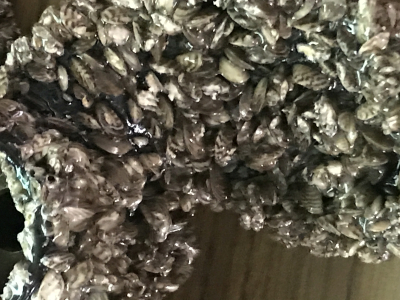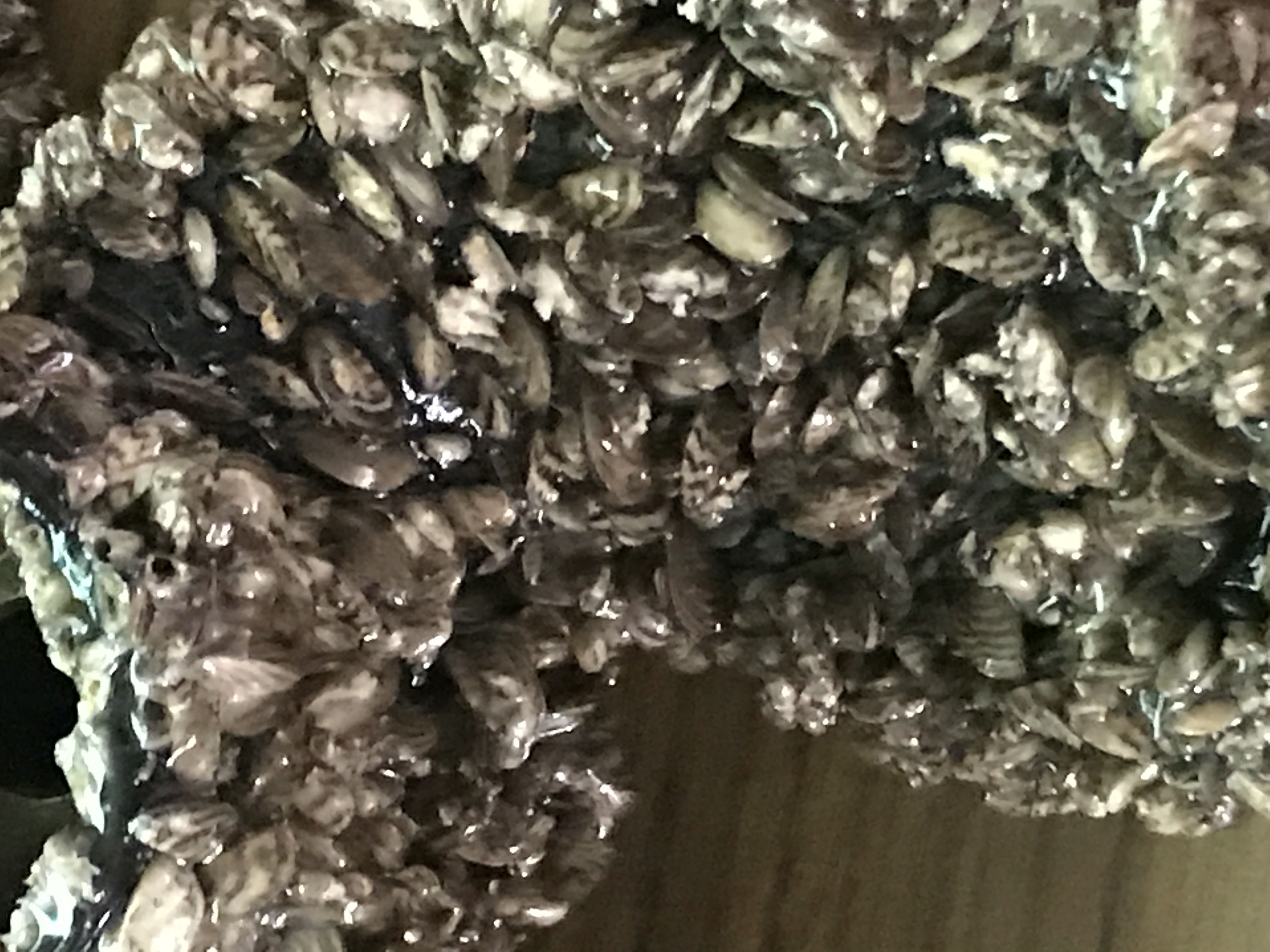
In 2013, zebra mussels were first found in Manitoba, in the south end of Lake Winnipegosis. Since then, numerous other water bodies in the Province have been confirmed to have them - like Clear Lake, back in 2023. The latest major water body confirmed to have zebra mussels was Lake of the Prairies, back in July.
As Lake of the Prairies is right along the Saskatchewan border, the Saskatchewan Ministry of Environment is ramping up their prevention and detection measures. In a statement from the Saskatchewan Ministry of Environment, they say they've been working very closely with the Manitoba Government to stop the spread.
"Containment Orders have been issued by both Saskatchewan and Manitoba, requiring all watercraft and equipment that come into contact with Lake of the Prairies or a portion of the nearby Assiniboine River to be decontaminated before use at any other waterbody. Both provinces continue to work in collaboration with stakeholders and other partners such as provincial parks," read part of the statement.
The Saskatchewan Ministry of Environment is also increasing the monitoring of nearby water bodies, including Madge Lake, Good Spirit Lake, and the Whitesand and Assiniboine Rivers. So far, samples have shown no evidence of zebra mussels.
In early November, the Saskatchewan Government announced PathoScan, a biotech company based in Saskatoon, won their Aquatic Invasive Species Innovation Challenge - meaning they'll develop critical tech to help with early detection. They'll do that by adapting their PathoBox rapid diagnostic platform used for early detection of crop diseases to instead detect for zebra mussels.
PathoScan's PathoBox early detection system works by detecting specific genetic materials released by crop diseases - soon to be zebra mussels. According to the Saskatchewan Ministry of Environment, having PathoScan's newly developed tech will be a game-changer, allowing in-field early detection, instead of sending samples to a lab and playing the waiting game.
"Environmental DNA or eDNA sampling is a tool that can be used during AIS response, to better understand the extent of an invasion and to support containment decisions, however, samples must be sent away for analysis, causing delays in receiving sample results. PathoScan’s technology aims to reduce wait times, with rapid, on-site analysis of eDNA samples, which, if successful, will provide critical information to a response team, to rapidly implement appropriate containment and to better protect other provincial waters," read part of the statement.
The Saskatchewan Ministry of Environment also says the public plays a crucial role in reducing the spread of aquatic invasive species, and reminds residents to follow guidelines.