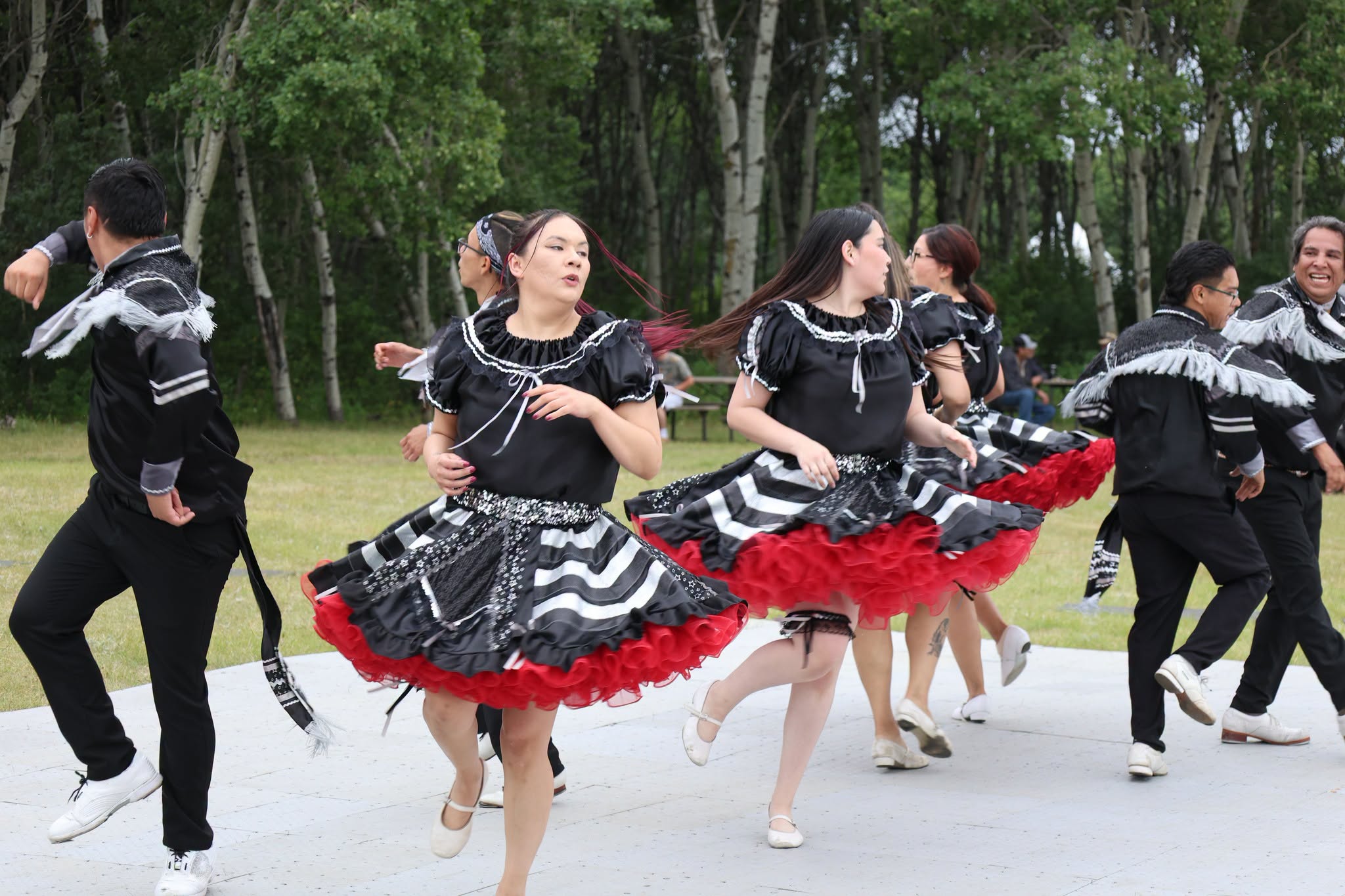
The event has been around for more than three decades.
It first started in the 1990s. More than 30 years later, it's still going strong. Ste. Madeleine Métis Days took place over the weekend.
More than 500 people packed the grounds for the three-day festival, which included a fiddle contest, live entertainment, a bannock-making contest, bingo, and so much more.
Joel Boucher, chair of the Ste. Madeleine Heritage Local, says it went very well. For Joel, the best part about the event is the family connections.
"A lot of people come here and treat it as a family reunion," said Boucher. "You see your cousins and aunts that moved away. Then, you see the people you've grown up with."
People first settled in the Métis community during the late 1800s and early 1900s. By the 1930s, the population was about 250 people.
In the 1930s, the Canadian prairies were hit hard by both a severe drought and the effects of the Great Depression. The federal government then created a program to take what it believed was underused land and turn it into community pastures.
Ste. Madeleine was one of the communities chosen for the program. In 1938, the community was dismantled. People were forced to move. Homes were burned down, and dogs were shot. The community turned into pastureland.
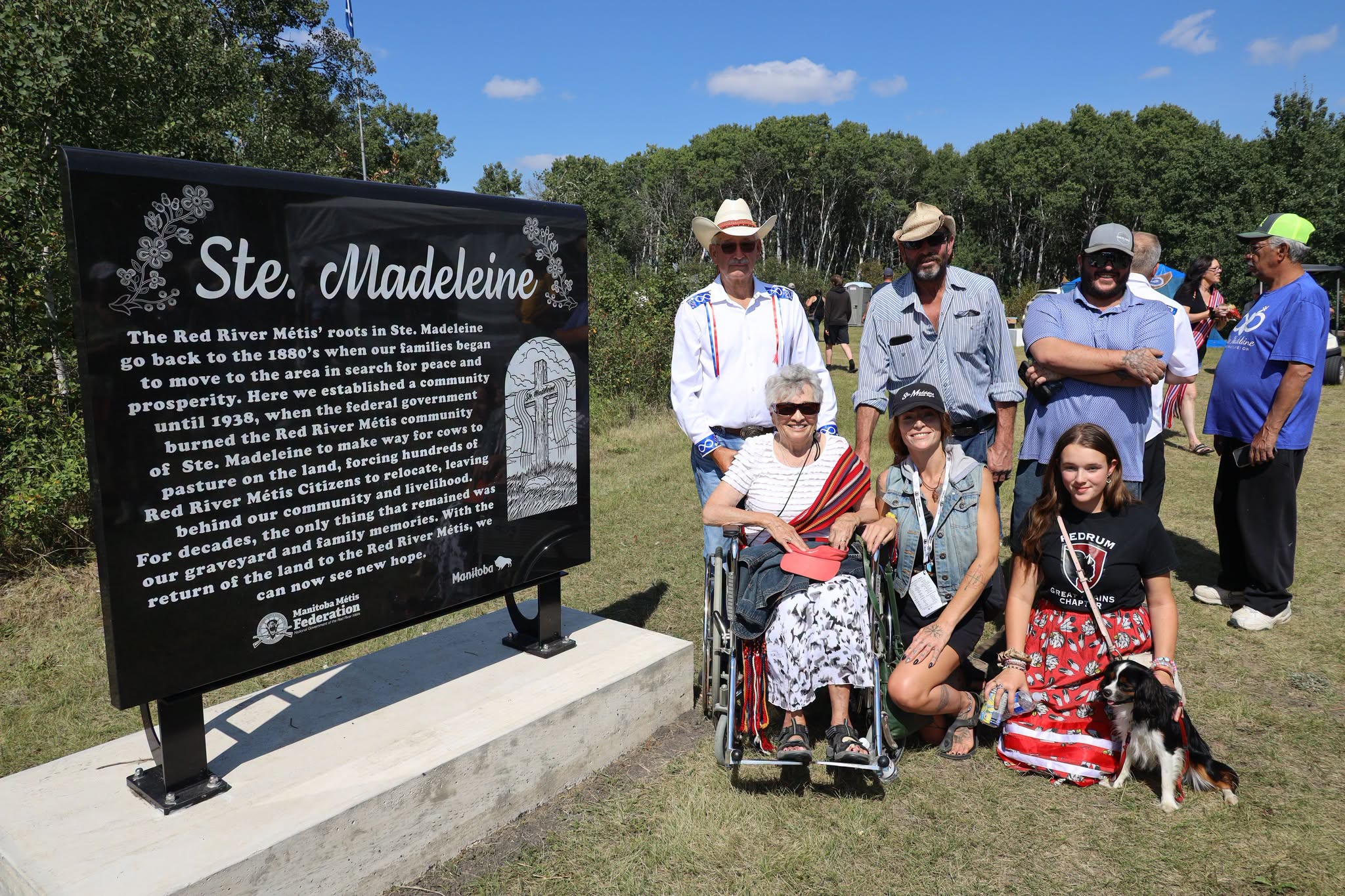
On Saturday, the Manitoba Métis Federation revealed a large plaque at the site.
Boucher says the plaque was revealed to remember what happened in the 1930s and why. Three residents who called Ste. Madeleine home in the 1930s are still alive. Two of them are in their 90s, and one is in their 80s.
Boucher said revealing the plaque felt great.
"I don't know if traction is the right word, but we've had a lot of positive feedback online," said Boucher. "I would say, as a whole, everyone enjoyed the plaque. It was heartfelt."
Thanks to the new plaque, the story of what happened in Ste. Madeleine will be remembered forever.